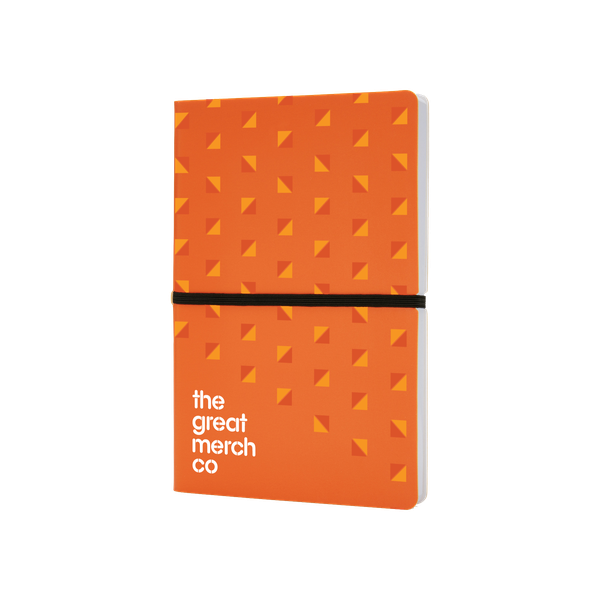
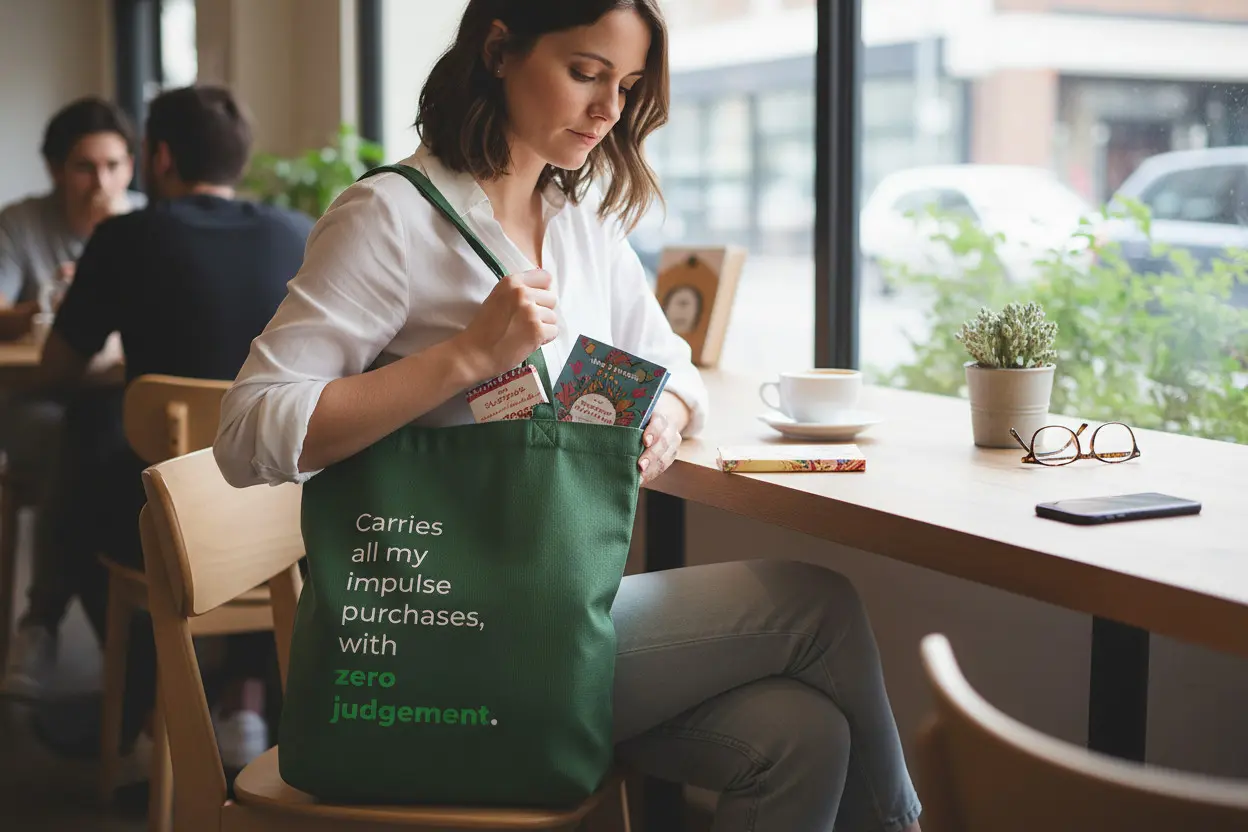
Some branded merchandise is forgotten within days. Not because people don’t want it. But because it wasn’t designed for how it would actually be used.
The difference between a product that gets discarded and one that becomes part of someone’s routine often comes down to one thing: design.
In this guide, we break down how to design promotional merchandise that people keep, use and value over time.
Why Some Promotional Merchandise Underperforms
A lot of branded products are created with visibility in mind, which is important in the right context, but can reduce usability in others. Logos can be too prominent. Colours may feel overly corporate. The product itself might not fit naturally into everyday use. The result is predictable. Items may be used once, if at all, and then set aside.
As we explored in our previous article on cost per impression, the real value of promotional merchandise comes from repeated use over time. If a product isn’t used regularly, it can’t deliver that value.
👉Promotional Merchandise vs Digital Advertising: Which Has the Lower Cost Per Impression?
The Shift: From Promotional to Practical
The most effective branded merchandise doesn’t feel like marketing. It feels like a product someone would have chosen anyway. That shift in thinking changes everything.
Instead of asking: “What can we put our logo on?”
The better question is: “What would someone genuinely use, and how can our brand fit naturally into it?”
Design Depends on Context
Not all promotional merchandise is designed for the same purpose. In some cases, bold, highly visible branding is exactly what you want. At events, for example, strong branding on items such as clothing, lanyards or signage helps teams stand out, creates a cohesive presence, and makes it easier for attendees to identify who to speak to. In these situations, visibility and consistency are key.
In other cases, particularly for attendee giveaways or corporate gifts, the goal is different. Here, the focus shifts towards usability and longevity. Products that are more subtly branded and thoughtfully designed are more likely to be kept and used regularly, extending brand visibility over time.
The most effective promotional merchandise strategies recognise this distinction and design accordingly.
1. Subtle Branding Works Better (When Longevity Matters)
One of the most common challenges in promotional merchandise is over-branding.
Large, prominent logos can make products feel overly promotional, which reduces the likelihood they will be used in everyday settings.
Subtle branding tends to perform far better for items intended for long-term use.
This could mean:
- smaller logo placement
- tonal or single-colour branding
- positioning branding in less dominant areas
When the branding feels considered rather than forced, the product becomes more usable, and your brand remains visible for longer.
2. Colour Matters More Than You Think
Colour plays a significant role in whether a product feels desirable.
Strictly applying brand colours can sometimes result in products that feel out of place in real-world use.
For example, a bright corporate colour may work well in a brand guideline, but not on an item someone wants to carry daily.
A more effective approach is to:
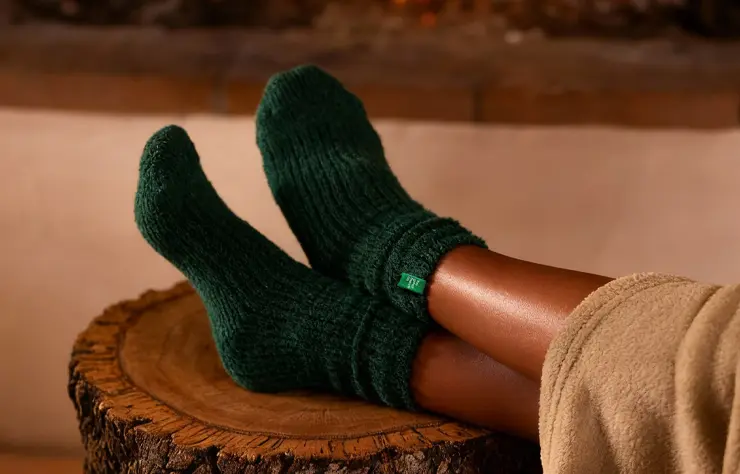
- use neutral or muted base colours
- introduce brand colours subtly through accents
- ensure the product fits naturally into everyday environments
The goal is to create something that feels like it belongs, not something that stands out for the wrong reasons.
3. Design for Real-World Use
Context is key. Where will this product actually be used?
A notebook used in meetings.
A bottle taken to the gym.
A bag used for commuting or shopping.
Design decisions should reflect these real-world scenarios.
If a product feels appropriate in its intended environment, it is far more likely to be used regularly.
This is particularly important for events, where the best merchandise balances both team presentation and attendee use.
👉 Read our blog 12 Promotional Merchandise Ideas for Corporate Events and Conferences

4. Quality Signals Matter
Over-designed products often struggle to find a place in everyday use.
Too many colours, too many elements, or overly complex branding can make items feel cluttered or overly promotional.
Simple, well-executed designs tend to perform best.
Clean layouts.
Minimal branding.
Balanced use of colour.
These are the products people are most comfortable incorporating into their daily lives.
5. Simplicity Wins
Over-designed products often struggle to find a place in everyday use.
Too many colours, too many elements, or overly complex branding can make items feel cluttered or overly promotional.
Simple, well-executed designs tend to perform best.
Clean layouts.
Minimal branding.
Balanced use of colour.
These are the products people are most comfortable incorporating into their daily lives.
Good vs Bad: What This Looks Like in Practice
Less effective (for long-term use):
- oversized logos dominating the product
- bright, highly corporate colour schemes without context
- low-quality materials
- products with limited practical use
More effective:
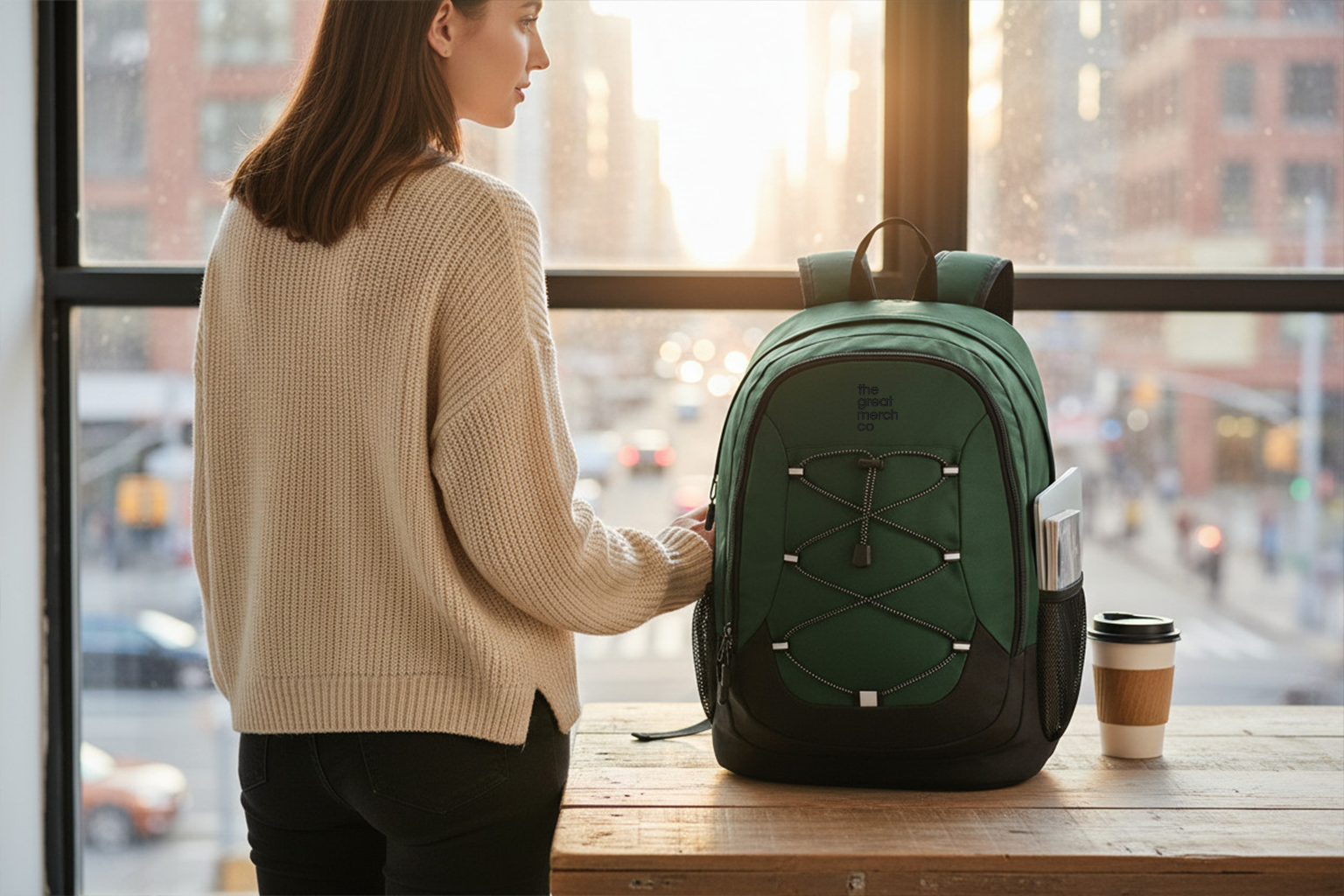
- subtle, well-placed branding
- neutral or lifestyle-friendly colours
- considered product selection
- quality materials and finishes
The difference is not always cost. It’s often the thought behind the design and how well it aligns with its intended use.
Design Drives Longevity (And Value)
The effectiveness of promotional merchandise is directly linked to how long it is used.
Good design increases the likelihood that a product will be:
- kept
- used regularly
- seen repeatedly
This is what drives strong cost per impression and long-term brand visibility.
This doesn’t mean all products should be subtle. The right approach depends on how and where the product will be used.
When done well, promotional merchandise stops being a short-term tactic and becomes a long-term brand asset.
Explore Promotional Merchandise Ideas
If you're planning a campaign or event and looking for ideas, explore our range of branded promotional merchandise or speak with our team about creating products that reflect your brand.
Frequently asked questions
Promotional merchandise is most effective when it is useful, relevant to the audience, and designed for real-world use. Products that are used regularly generate repeated brand exposure over time, which is what drives long-term value.
Not always. The right level of branding depends on the context.
For example, bold branding works well for event staff and signage where visibility is important. For giveaways or gifts, more subtle branding is often more effective, as it increases the likelihood that the product will be used regularly.
Products that fit naturally into everyday routines tend to perform best. This includes items such as drinkware, bags, notebooks and tech accessories.
The key is choosing something people would use regardless of branding.
Not necessarily. While quality is important, effectiveness is more closely linked to usefulness and design.
Lower-cost items can still perform well if they are used frequently, such as keyrings or pens. The goal is to maximise usage, not just minimise cost.
Design plays a direct role in how long a product is used. Better-designed products are more likely to be kept and used regularly, which increases the number of impressions over time and lowers the effective cost per impression.